


Why I Believe Recycling Electronics in the U.S. Is a Matter of National Security
- Justin Turner

- Nov 12, 2025
- 2 min read


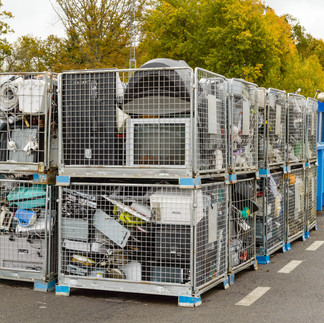


When the COVID-19 pandemic hit, I realized something that changed the way I look at electronic waste forever. Suddenly, parts to repair phones, computers, and game systems were delayed for months. Supply chains collapsed, and what used to be easy to replace became nearly impossible. That disruption opened my eyes: if a similar crisis—or worse, a geopolitical conflict—were to occur again, our access to critical electronic components could be compromised in ways that affect everyday life and even national security.
We’ve already seen warning signs. International tariff wars have driven up the prices of Chinese-manufactured electronic parts and equipment. Some products have even been banned from sale within the United States. These are clear signals that we cannot rely indefinitely on foreign supply chains for the materials and components that power our technology.
The Hidden Value We Throw Away
Every time we discard electronics, we’re throwing away more than plastic and wires. Inside those devices are copper, aluminum, lithium from batteries, and precious metals like gold and palladium. According to the EPA, recycling 1 million cell phones can recover 35,274 pounds of copper, 772 pounds of silver, and 75 pounds of gold—resources worth millions of dollars.
Globally, e-waste contained $91 billion worth of metals in 2022, but only $28 billion was recovered. That means billions of dollars in valuable resources are lost each year, often exported overseas where other countries reap the benefits of what we discard.
Why Exporting Electronic Waste Hurts Us in the United States
Unfortunately, many recyclers in the U.S. focus only on bulk metals like steel, copper, and aluminum. The real treasure—circuit boards packed with rare metals—are often sold wholesale to the highest bidder, usually outside the country. That means other nations are stockpiling the very resources we need, while we remain dependent on imports.
This isn’t just an economic issue—it’s a national security risk. If tensions rise and supply chains are cut off, we could find ourselves unable to repair or produce the electronics that keep our society running.
A Call for Conscious Recycling Action
COVID-19 taught me that disruptions can happen suddenly and without warning. Tariff wars and bans on foreign products have shown us how fragile our access to electronics really is. As Americans, we must be more conscious of the long-term effects of discarding our waste as “waste.”
Recycling electronics here at home won’t solve every supply issue, but it will help us reclaim critical resources, reduce dependency on foreign nations, and strengthen our resilience in uncertain times. Every phone, computer, and printer we recycle domestically is a step toward securing our future.

Comments